
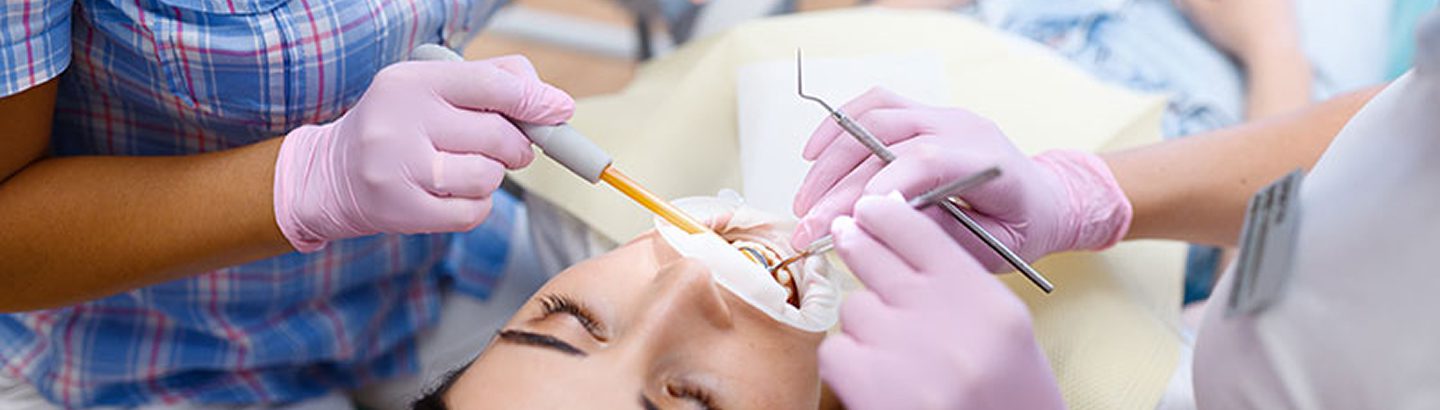
IV CONSCIOUS SEDATION DENTISTRY
If dental anxiety, a strong gag reflex, or a long list of treatment has kept you from booking an appointment, IV conscious sedation offers a way to have the dental care you need in a deeply relaxed, comfortable state — with little memory or
no memory of the procedure afterwards.
At East Calder Smile Centre, IV sedation is administered and monitored by Dr Savitha Raman, GDC No. GDC100356, following the standards set out by the Intercollegiate Advisory Committee for Sedation in Dentistry (IACSD).
Whether you need a single complex procedure or want to catch up on treatment you’ve been putting off, we’ll talk you through whether IV sedation is the right option for you.
What Is IV Conscious Sedation?
IV (intravenous) conscious sedation uses a sedative drug delivered directly into a vein, usually in the back of the hand or the arm. It works quickly and allows your dentist to adjust your level of relaxation throughout the appointment.
Unlike general anaesthesia, you are not put to sleep. You remain conscious and able to breathe on your own and respond to instructions, but you’ll feel deeply calm, and many patients have little or no memory of the treatment itself once the sedative wears off. It’s this combination — full consciousness with minimal awareness or recall — that gives the technique its name.
Is IV Sedation Right for You?
IV conscious sedation tends to suit patients who:
It isn’t suitable for everyone. During your consultation we’ll review your medical history, current medications and any allergies, as certain heart, lung, liver or kidney conditions — and pregnancy — usually rule out IV sedation. You’ll also need a friend or family member to accompany you to and from your appointment, as you won’t be able to drive, work, sign documents or make important decisions for the next 24 hours
How IV Sedation Compares to Other Options
We offer a range of ways to help anxious patients get the treatment they need. Here’s how IV sedation compares:
Nitrous oxide (“happy air”) – Inhaled through a mask, takes effect in minutes and wears off almost as quickly once
removed. Best for mild anxiety or shorter procedures. You can drive yourself home afterwards.
Oral conscious sedation – A tablet taken before your appointment. Produces a milder, longer-lasting drowsiness than IV sedation, but is less precisely controllable once taken and takes longer to wear off. You’ll still need someone to bring you to and from the practice.
IV conscious sedation – Delivered through a vein, so it takes effect within minutes and can be topped up or eased off throughout the appointment depending on how you’re responding. This makes it the most controllable and often the most suitable option for higher anxiety or longer procedures.
General anaesthesia – Full unconsciousness, only available in a hospital setting for specific cases. Not offered at East Calder directly — we can refer you if this is the more appropriate option.
What to Expect
Before your appointment-
During your appointment
After your appointment
Your Safety Is Our Priority
Conscious sedation in UK dental practices is provided within strict regulatory and clinical standards. At East Calder Smile Centre:
This page is for general information only and does not replace a clinical assessment. Suitability for IV sedation can only be confirmed following a consultation with our team, who will review your medical history in full.
Frequently Asked Questions
Will I be completely asleep?
No. IV conscious sedation keeps you conscious and able to breathe unaided and respond to your dentist, but in a very deeply relaxed state. It’s different from general anaesthesia, where you’re fully unconscious.
Will it hurt?
You may feel a small pinch when the cannula is placed, similar to a blood test. Most patients report no discomfort during the procedure itself.
Will I remember the appointment?
Many patients have little or no memory of the procedure once the sedative wears off, thanks to the mild amnesic effect of the medication used. This varies from person to person.
Can I drive home afterwards?
No. You must arrange for a responsible adult to take you home and stay with you for the next 24hours after the treatment. You cannot drive, cycle or use public transport alone.
How long does the sedation take to wear off?
The sedative effects typically wear off within a few hours, but residual drowsiness and impaired judgement can last up to 24 hours, so you should avoid driving, working, drinking alcohol or making important decisions during this time.
Who shouldn’t have IV sedation?
IV sedation isn’t suitable for everyone, including some patients who are pregnant, or who have certain heart, lung, liver or kidney conditions, or take particular medications. We’ll assess your suitability during a dedicated consultation.
Ready to Talk About Your Options?
If dental anxiety or a complex procedure has been holding you back, we’re here to help you feel comfortable and in control. Book a sedation consultation with our team to find out whether IV conscious sedation is right for you.